In the realm of advanced medical aesthetics and regenerative therapies, Platelet-Rich Plasma (PRP) has emerged as a groundbreaking treatment, harnessing the body's innate healing capabilities to promote rejuvenation and repair. Riyadh, a city at the forefront of medical innovation, has embraced PRP therapy, making it widely accessible for individuals seeking natural and effective solutions for various concerns, from skin revitalization to hair restoration and orthopedic recovery. The appeal of Platelet-Rich Plasma in Riyadh (البلازما الغنية بالصÙØ§Ø¦Ø Ø§Ù„Ø¯Ù…ÙˆÙŠØ© ÙÙŠ الرياض) lies in its personalized approach, utilizing a patient's own biological resources to stimulate cellular regeneration and tissue repair, leading to remarkable and long-lasting benefits. This article delves into the science, applications, and transformative potential of PRP, showcasing why it has become a preferred choice for those pursuing a path to enhanced well-being and appearance.
The Regenerative Power of Platelet-Rich Plasma
Platelet-Rich Plasma is a concentrated form of a patient's own blood, specifically enriched with platelets. These tiny blood cells are far more than just clotting agents; they are powerhouses of growth factors, cytokines, and other bioactive proteins essential for healing and tissue regeneration. By isolating and concentrating these vital components, PRP therapy delivers a potent dose of the body's natural repair mechanisms directly to the area requiring treatment.
Concentrated Healing Factors: PRP contains a significantly higher concentration of platelets than normal blood, often 5 to 10 times greater. This concentration means a denser supply of growth factors, which are critical for cell growth, proliferation, and tissue repair.
Stimulating Natural Processes: When injected into a targeted area, these growth factors signal the body to initiate or accelerate its natural healing cascade. This includes stimulating collagen production for skin, activating dormant hair follicles, or repairing damaged tissues in joints.
Autologous Treatment: A key advantage of PRP is that it's "autologous," meaning it's derived from the patient's own blood. This virtually eliminates the risk of allergic reactions or disease transmission, making it a remarkably safe procedure.
The Journey of PRP: From Blood Draw to Targeted Delivery
Undergoing Platelet-Rich Plasma in Riyadh involves a straightforward process, typically completed within an hour, making it a convenient option for many. Understanding each step can help patients feel more comfortable and informed about their treatment journey.
The Initial Consultation and Preparation
Every successful PRP treatment begins with a comprehensive consultation and careful preparation to ensure the therapy is appropriate and tailored to individual needs.
Thorough Medical Assessment: A qualified practitioner will conduct a detailed medical history review, including any medications, allergies, or existing health conditions. This ensures PRP is a safe and suitable option for you.
Defining Treatment Goals: You will have the opportunity to discuss your specific aesthetic or medical concerns and desired outcomes. The practitioner will assess the target area and determine the optimal approach, including the number of sessions likely needed.
Pre-Treatment Instructions: You may be advised to avoid certain medications, such as anti-inflammatory drugs (NSAIDs) or blood thinners, for a period before your appointment, as these can affect platelet function. Staying well-hydrated is also often recommended to facilitate blood collection.
The Blood Collection and Processing
The core of PRP therapy involves drawing a small amount of blood and processing it to concentrate the platelets.
Standard Blood Draw: A small blood sample, similar to what's taken for a routine blood test, will be drawn from your arm. The volume of blood collected depends on the area being treated and the required concentration of PRP.
Centrifugation: The collected blood is then placed into a specialized centrifuge machine. This device spins the blood at high speeds, separating its components based on their density. The red blood cells settle at the bottom, while the plasma (the liquid portion) and platelets form distinct layers.
PRP Isolation: The practitioner carefully extracts the platelet-rich layer of plasma, which is now a highly concentrated solution of your body's potent healing factors, ready for application.
The Targeted Application
Once the PRP is prepared, it is meticulously applied to the treatment area using various techniques, depending on the specific condition being addressed.
Direct Injection: For orthopedic conditions or specific aesthetic concerns, the PRP is typically injected directly into the affected joint, muscle, or skin area. In some cases, ultrasound guidance may be used for precise placement in deeper tissues.
Microneedling Combination: For facial rejuvenation, PRP is often combined with microneedling. This involves creating tiny micro-channels in the skin, allowing the PRP to penetrate deeply and stimulate collagen production more effectively.
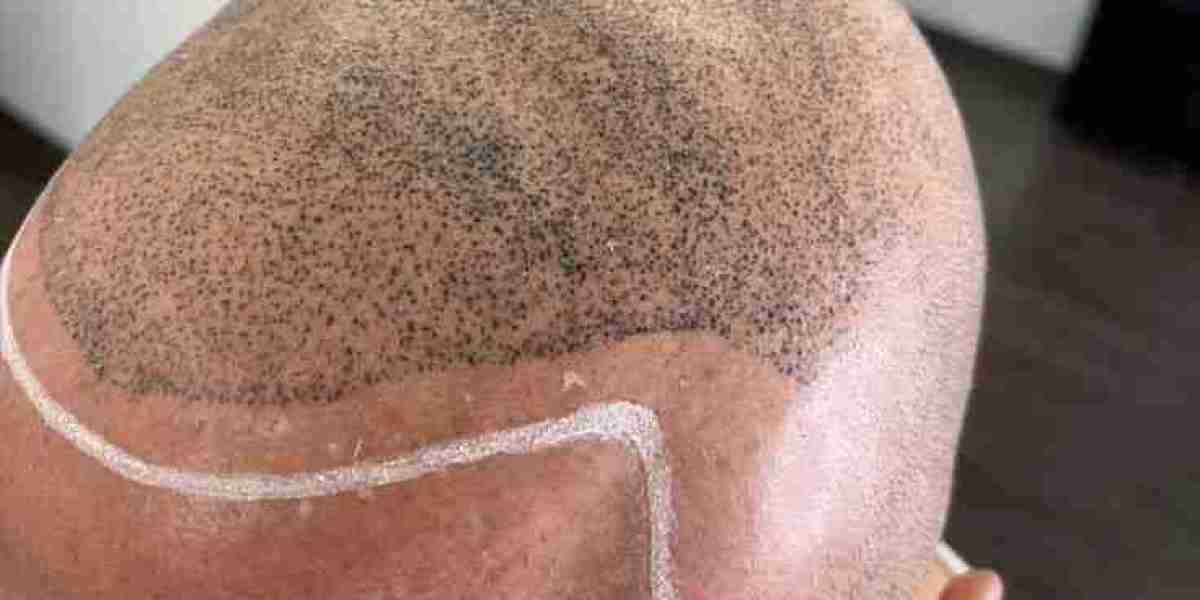
Scalp Application: For hair restoration, PRP is injected into the scalp in areas experiencing thinning or hair loss, aiming to stimulate dormant follicles and promote new hair growth.
The Diverse Benefits of Platelet-Rich Plasma in Riyadh
The versatility of PRP therapy makes it a valuable treatment across various medical and aesthetic fields, offering natural healing and regenerative benefits
Skin Rejuvenation and Anti-Aging
PRP has gained significant popularity in aesthetic medicine for its remarkable ability to rejuvenate the skin, addressing common signs of aging and improving overall skin health.
Collagen and Elastin Production: The growth factors in PRP stimulate the production of new collagen and elastin, essential proteins that provide skin with its structure, elasticity, and firmness. This leads to a reduction in fine lines and wrinkles.
Improved Skin Texture and Tone: PRP can enhance skin texture, making it smoother and more refined. It also helps to even out skin tone, reduce hyperpigmentation, and minimize the appearance of acne scars and enlarged pores.
Enhanced Radiance and Glow: By promoting cellular regeneration and improved blood circulation, PRP treatment can give the skin a healthier, more vibrant, and youthful glow.
Hair Restoration and Scalp Health
For individuals experiencing hair thinning or early-stage hair loss, PRP offers a promising non-surgical solution that utilizes the body's own resources to stimulate hair growth.
Stimulating Hair Follicles: The growth factors delivered by PRP injections directly into the scalp can awaken dormant hair follicles and extend the growth phase of existing hair, leading to thicker, stronger hair strands.
Increased Hair Density: Regular PRP treatments can lead to an increase in overall hair density and coverage, particularly in areas of thinning.
Improved Scalp Health: PRP can also improve the overall health of the scalp by enhancing blood circulation and delivering vital nutrients to the hair follicles, creating a healthier environment for hair growth.
Orthopedic and Joint Pain Relief
Beyond aesthetics, PRP has a well-established history in orthopedics and sports medicine, providing a regenerative approach to treating various musculoskeletal conditions and injuries.
Accelerated Healing of Injuries: PRP can significantly accelerate the healing of damaged tendons, ligaments, muscles, and even bone. It is frequently used for conditions such as tennis elbow, jumper's knee, rotator cuff tears, and sprains.
Reduction in Pain and Inflammation: By promoting tissue repair and modulating the inflammatory response, PRP can lead to a significant reduction in chronic pain associated with conditions like osteoarthritis and tendinitis.
Alternative to Surgery: In some cases, PRP therapy can serve as a viable alternative or a complementary treatment to surgery, helping patients avoid more invasive procedures or accelerate post-surgical recovery.
What to Expect After Your PRP Treatment
The immediate aftermath of a PRP session is typically associated with minimal discomfort and downtime, with results appearing gradually as the body's natural healing processes take effect.
Mild Post-Treatment Effects: It's common to experience some mild redness, swelling, or tenderness at the injection sites immediately following the procedure. These effects are usually temporary and subside within a few hours to a few days.
Minimal Downtime: One of the appealing aspects of PRP therapy is its minimal downtime. Most individuals can resume their normal daily activities almost immediately, though strenuous exercise might be advised against for 24-48 hours.
Gradual Improvement: Unlike some treatments that offer instant results, the benefits of PRP unfold over time. As the growth factors stimulate cellular regeneration, improvements in skin texture, hair density, or pain relief will become noticeable over several weeks to months. Multiple sessions are often recommended for optimal and sustained results.
Longevity of Results and Maintenance
The results of Platelet-Rich Plasma in Riyadh are long-lasting due to the stimulation of your body's natural processes, but they are not permanent. Regular maintenance sessions are often recommended to sustain the benefits.
Typical Duration: The effects of PRP therapy can typically last anywhere from 6 months to over a year, depending on the treated condition, individual response, and lifestyle factors.
Recommended Sessions: For most conditions, a series of 2-4 initial treatments spaced a few weeks apart is recommended to achieve optimal results.
Maintenance Treatments: To maintain the improvements, periodic maintenance treatments, often once or twice a year, may be advised. This helps to continue stimulating the regenerative processes and prolong the benefits.
Choosing Your PRP Provider in Riyadh
Given the increasing popularity of PRP, it is crucial to select a qualified and experienced practitioner in Riyadh to ensure safe and effective treatment.
Medical Qualifications: Always choose a medical professional who is licensed, board-certified, and has specialized training in regenerative medicine and PRP therapy. Their understanding of anatomy and sterile techniques is paramount.
Experience and Expertise: Look for a practitioner with extensive experience specifically in the type of PRP treatment you are seeking (e.g., cosmetic, orthopedic, hair restoration). Ask about their success rates and patient outcomes.
Consultation Quality: A reputable provider will prioritize a thorough and honest consultation, discussing your goals, assessing your suitability for PRP, explaining the procedure in detail, and addressing all your questions and concerns.
Sterile Environment: Ensure the clinic maintains the highest standards of hygiene and utilizes sterile equipment and practices to minimize any risk of infection.
Frequently Asked Questions
Is Platelet-Rich Plasma (PRP) therapy suitable for everyone, regardless of age?
PRP therapy is generally considered safe because it uses your own blood, minimizing allergic reactions. However, suitability can depend on various factors, including your overall health, certain medical conditions (like blood disorders or active infections), and medications you might be taking. While there isn't a strict age limit, the effectiveness can vary, and a thorough consultation with a qualified practitioner in Riyadh is essential to determine if it's the right treatment for you.
How many PRP sessions are typically needed to see noticeable results for skin or hair concerns?
The number of PRP sessions required varies based on the individual's condition, the area being treated, and the desired outcome. For skin rejuvenation or hair restoration, many individuals achieve noticeable improvements after a series of 3 to 4 initial sessions, typically spaced 3-4 weeks apart. Maintenance sessions may then be recommended periodically to sustain the results over time.
What are the common sensations or discomfort levels during a Platelet-Rich Plasma injection?
During a Platelet-Rich Plasma injection, patients in Riyadh might experience a sensation similar to a quick pinch or pressure at the injection site. For skin treatments, a topical numbing cream is often applied to enhance comfort, making the procedure quite tolerable. For joint injections, local anesthetic might be used. Any discomfort is typically brief and well-managed by experienced practitioners.
Can Platelet-Rich Plasma therapy be combined with other aesthetic or medical treatments?
Yes, Platelet-Rich Plasma therapy can often be safely and effectively combined with other treatments to enhance overall results. For aesthetic purposes, it's frequently paired with microneedling, laser therapies, or even fillers for a more comprehensive rejuvenation. In orthopedic contexts, it can complement physical therapy or post-surgical recovery plans, creating a synergistic effect for improved healing and outcomes. Your practitioner in Riyadh can advise on suitable combinations for your specific needs.