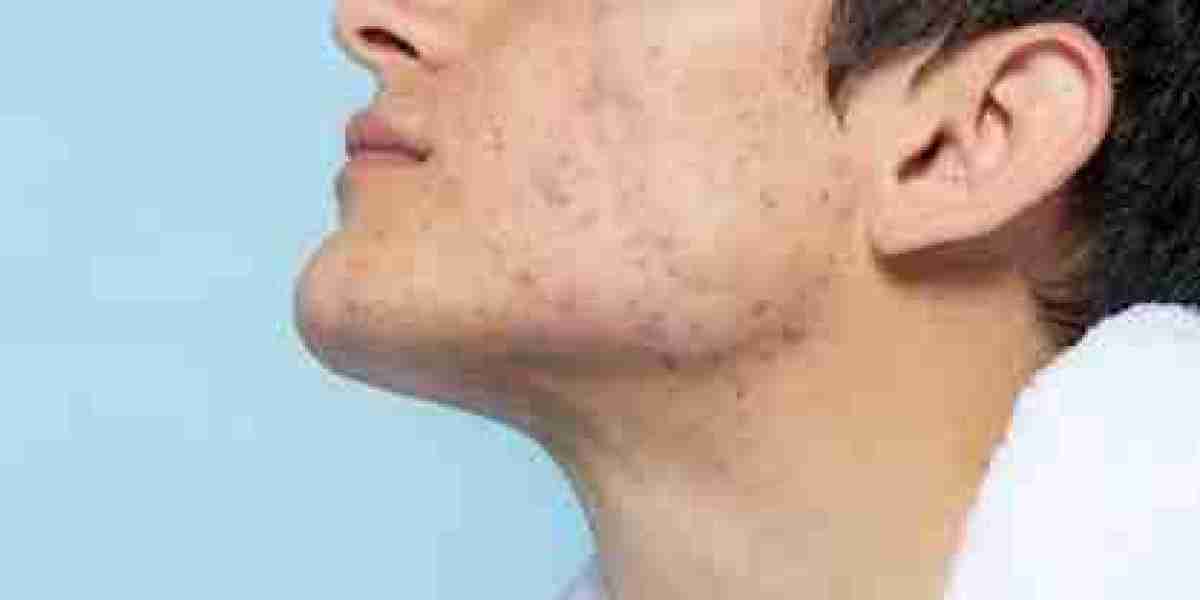
Our skin, the body's largest organ, acts as a protective barrier against the environment, regulates temperature, and plays a crucial role in our overall health and appearance. However, it's also constantly exposed to various elements – sun, pollution, stress, and dietary factors – making it susceptible to a wide array of conditions, from common acne and eczema to more complex issues like autoimmune disorders and skin cancer. The desire for clear, healthy, and vibrant skin is universal, driving many to seek specialized care. Recognizing that each individual's skin is unique, with its own sensitivities, concerns, and aesthetic goals, underscores the importance of personalized, expert dermatological care.
Finding Your Ideal Partner in Skin Health: The Best Dermatologist in Riyadh
Unlocking Optimal Skin Health with Specialized Expertise
When it comes to the intricate and often sensitive world of skin, hair, and nail health, the expertise of your dermatologist is paramount. The Best Dermatologist in Riyadh is more than just a medical practitioner; they are a highly trained specialist equipped to diagnose, treat, and manage a vast spectrum of dermatological conditions, while also offering advanced aesthetic solutions. Choosing the Best Dermatologist in Riyadh means entrusting your skin to a professional who combines profound medical knowledge with a nuanced understanding of cosmetic artistry, ensuring comprehensive care that addresses both your health concerns and your aesthetic aspirations.
What Defines the Best Dermatologist?
Identifying the ideal dermatologist involves looking beyond mere qualifications to a combination of essential attributes:
Board Certification: This is a critical indicator of a dermatologist's expertise. Board certification means the doctor has completed extensive training in dermatology and passed rigorous examinations administered by an independent medical board. It signifies a high level of specialized knowledge, ethical practice, and a commitment to maintaining the highest standards of care.
Extensive Experience: While qualifications are crucial, years of practical experience treating a wide range of skin conditions in diverse patients contribute significantly to a dermatologist's skill. Look for a professional with a proven track record of successful outcomes.
Comprehensive Services: A top dermatologist offers a broad spectrum of services, encompassing general medical dermatology, pediatric dermatology, dermatological surgery, and cosmetic dermatology. This ensures they can address all your skin health needs under one roof.
Up-to-Date Knowledge and Technology: The field of dermatology is constantly evolving. The best dermatologists stay abreast of the latest research, diagnostic tools, treatment modalities, and cutting-edge technologies to provide the most effective and advanced care.
Patient-Centered Approach: A compassionate and attentive dermatologist listens carefully to your concerns, explains diagnoses and treatment options clearly, and involves you in decision-making. They prioritize open communication and build a trusting relationship.
Positive Patient Feedback: Reviews and testimonials from previous patients can offer valuable insights into a dermatologist's professionalism, effectiveness of treatments, and overall patient experience.
The Broad Spectrum of Dermatological Care
Medical Dermatology: Diagnosing and Treating Skin Conditions
A dermatologist is a physician specializing in the diagnosis and treatment of diseases of the skin, hair, nails, and mucous membranes. Their expertise covers a vast array of medical conditions:
Acne and Rosacea: Managing breakouts, cysts, and redness through topical treatments, oral medications, and lifestyle advice.
Eczema (Atopic Dermatitis) and Psoriasis: Providing long-term management strategies for chronic inflammatory skin conditions, including topical steroids, phototherapy, and biologic medications.
Skin Infections: Diagnosing and treating bacterial (e.g., impetigo), fungal (e.g., ringworm, athlete's foot), and viral (e.g., herpes, warts) infections.
Hair Loss (Alopecia): Investigating causes of hair thinning or loss and recommending treatments, including medications, PRP therapy, or hair transplantation.
Nail Disorders: Addressing fungal infections, ingrown nails, and other conditions affecting nail health.
Skin Cancer Detection and Treatment: Performing thorough skin exams for suspicious moles and lesions, conducting biopsies, and surgically removing skin cancers (basal cell carcinoma, squamous cell carcinoma, melanoma).
Pigmentation Disorders: Treating conditions like melasma, vitiligo, and hyperpigmentation with various therapies, including topical creams, chemical peels, and laser treatments.
Autoimmune Skin Diseases: Diagnosing and managing complex conditions such as lupus, bullous pemphigoid, and scleroderma that affect the skin.
Cosmetic Dermatology: Enhancing Aesthetic Appeal
Beyond medical conditions, dermatologists are also highly skilled in aesthetic procedures that enhance skin appearance, combat signs of aging, and improve overall confidence:
Anti-Aging Treatments:
Botox and Dermal Fillers: To reduce wrinkles, restore lost volume, and enhance facial contours.
Chemical Peels: To improve skin texture, reduce fine lines, treat acne scars, and address pigmentation.
Microneedling and PRP (Platelet-Rich Plasma): To stimulate collagen production, improve skin texture, and promote hair growth.
Laser Therapies:
Laser Hair Removal: For permanent hair reduction on various body areas.
Fractional Lasers: For skin resurfacing, scar reduction (acne scars, surgical scars), and general skin rejuvenation.
Pigmentation Lasers: To treat sun spots, age spots, and melasma.
Vascular Lasers: To address spider veins, broken capillaries, and redness (e.g., rosacea).
Skin Tightening Procedures: Using technologies like radiofrequency or ultrasound to firm lax skin on the face and body.
Body Contouring (Non-Surgical): Options to reduce localized fat deposits or tighten skin without invasive surgery.
Scar Revision: Minimizing the appearance of various types of scars.
Dermatological Surgery: Precision for Skin Lesions
Dermatologists often perform minor surgical procedures in an outpatient setting:
Mole and Cyst Removal: Safely excising benign or suspicious skin lesions.
Skin Biopsies: Taking small samples of skin for laboratory analysis to aid in diagnosis.
Cryotherapy: Freezing off warts, skin tags, and some precancerous lesions.
Electrocautery: Using heat to remove certain skin growths.
Your Journey with the Best Dermatologist in Riyadh: What to Expect
The Initial Consultation: A Personalized Assessment
Your first visit to the Best Dermatologist in Riyadh is a critical step towards achieving your skin health goals.
Comprehensive History: The dermatologist will thoroughly review your medical history, including any past or current skin conditions, allergies, medications, and lifestyle factors.
Detailed Skin Examination: A full skin examination will be performed to assess your skin type, identify any existing conditions, evaluate moles, and discuss your specific concerns.
Discussion of Goals: You will have an open discussion about your aesthetic and health objectives. The dermatologist will listen attentively and ensure your expectations are realistic and align with achievable outcomes.
Diagnosis and Treatment Plan: Based on their assessment, the dermatologist will provide a clear diagnosis and outline a personalized treatment plan. This may involve medical therapies, cosmetic procedures, or a combination of approaches. They will explain each option in detail, including expected results, potential side effects, and recovery.
The Treatment Experience
The experience will vary greatly depending on the type of treatment chosen.
In-Office Procedures: Many dermatological procedures are performed conveniently in the clinic setting, often with topical or local anesthesia to ensure comfort.
Advanced Technology: For laser treatments, chemical peels, or other aesthetic procedures, state-of-the-art equipment will be utilized by trained professionals under the dermatologist's supervision.
Safety First: Throughout any procedure, patient safety and comfort are prioritized. Strict hygiene protocols are followed, and appropriate measures are taken to minimize discomfort.
Post-Treatment Care and Follow-up
Proper aftercare is crucial for optimal results and to prevent complications.
Detailed Instructions: You will receive clear, concise instructions on how to care for your skin post-treatment, including advice on cleansing, moisturizing, sun protection, and medication application.
Managing Side Effects: The dermatologist will inform you about any expected side effects (e.g., redness, swelling, peeling) and how to manage them.
Follow-up Appointments: Scheduled follow-up appointments are essential to monitor your progress, assess results, and make any necessary adjustments to your treatment plan. This ongoing relationship ensures long-term skin health.
Long-Term Skin Health Plan: For chronic conditions or anti-aging maintenance, your dermatologist will help you develop a sustainable skincare regimen and treatment schedule to maintain your results.
Real Stories of Transformation: Patients in Riyadh Share Their Journeys
Journey: Conquering Persistent Acne
Aisha, a 24-year-old student, had struggled with severe, persistent acne since her teenage years, which significantly impacted her confidence. "I tried everything, but nothing seemed to work," she confessed. She sought out the Best Dermatologist in Riyadh specializing in acne treatment. "The dermatologist took the time to understand my skin and lifestyle, not just prescribe a quick fix," Aisha explains. After a tailored regimen involving oral medication, topical treatments, and a series of in-office procedures like chemical peels, Aisha's skin underwent a remarkable transformation. "My skin is finally clear and smooth. I feel so much more comfortable and confident now. It's truly life-changing."
Relief: Managing Chronic Eczema
Omar, a 45-year-old father, suffered from debilitating chronic eczema, leading to constant itching, dry patches, and frequent flare-ups, especially in Riyadh's climate. "It affected my sleep, my work, everything," he shared. He found a dermatologist with extensive experience in managing chronic inflammatory skin conditions. "The dermatologist developed a comprehensive plan, including specialized moisturizers, anti-inflammatory medications, and advice on triggers," Omar recounts. "I finally have control over my eczema. The flare-ups are fewer and far less severe, and the constant itch is gone. It's a huge relief to live without that daily discomfort."
Rejuvenation: Embracing Youthful Radianc
Layla, a 58-year-old executive, wanted to refresh her appearance, specifically addressing fine lines, sun spots, and a dull complexion. She was looking for natural-looking rejuvenation. She chose a dermatologist in Riyadh known for their expertise in cosmetic procedures and skin rejuvenation. "The dermatologist carefully assessed my skin and suggested a combination of laser treatments and targeted injectables," Layla said. "I was impressed by the personalized approach and the subtle yet impactful results." Layla now radiates confidence. "My skin looks brighter, firmer, and my complexion is much more even. I feel refreshed and vibrant, without looking overdone."
Frequently Asked Questions
? What makes a dermatologist different from a general practitioner for skin issues?
A dermatologist is a medical doctor who has undergone extensive, specialized training (typically 4 years of residency) focused exclusively on diseases of the skin, hair, and nails. While a general practitioner can diagnose and treat common skin ailments, a dermatologist possesses in-depth knowledge, advanced diagnostic tools, and a wider range of treatment options, including specialized procedures and the ability to manage complex or rare conditions.
? When should I consider seeing a dermatologist instead of treating a skin condition at home?
You should consider seeing a dermatologist if: your skin condition is persistent or worsening despite home remedies, you experience severe pain, itching, or discomfort, you have a new or changing mole or lesion, you suspect a serious skin infection, or if a skin condition is significantly impacting your quality of life or appearance. Early professional diagnosis can prevent complications.
? Can a dermatologist help with both medical conditions and cosmetic concerns?
Yes, absolutely. Many dermatologists are expertly trained in both medical and cosmetic dermatology. They possess the knowledge to diagnose and treat skin diseases (medical dermatology) and the skills to perform aesthetic procedures that enhance the skin's appearance (cosmetic dermatology), such as anti-aging treatments, laser therapies, and scar revision. This dual expertise ensures comprehensive care for both your skin's health and its beauty.
? What steps can I take to prepare for my first appointment with a dermatologist?
To make the most of your first appointment, it's helpful to: list your symptoms and when they started, note any home remedies or over-the-counter products you've tried, bring a list of all medications and supplements you're currently taking, be prepared to discuss your medical history, and avoid wearing makeup or nail polish if your concerns involve those areas. Taking photos of your skin condition during flare-ups can also be helpful.