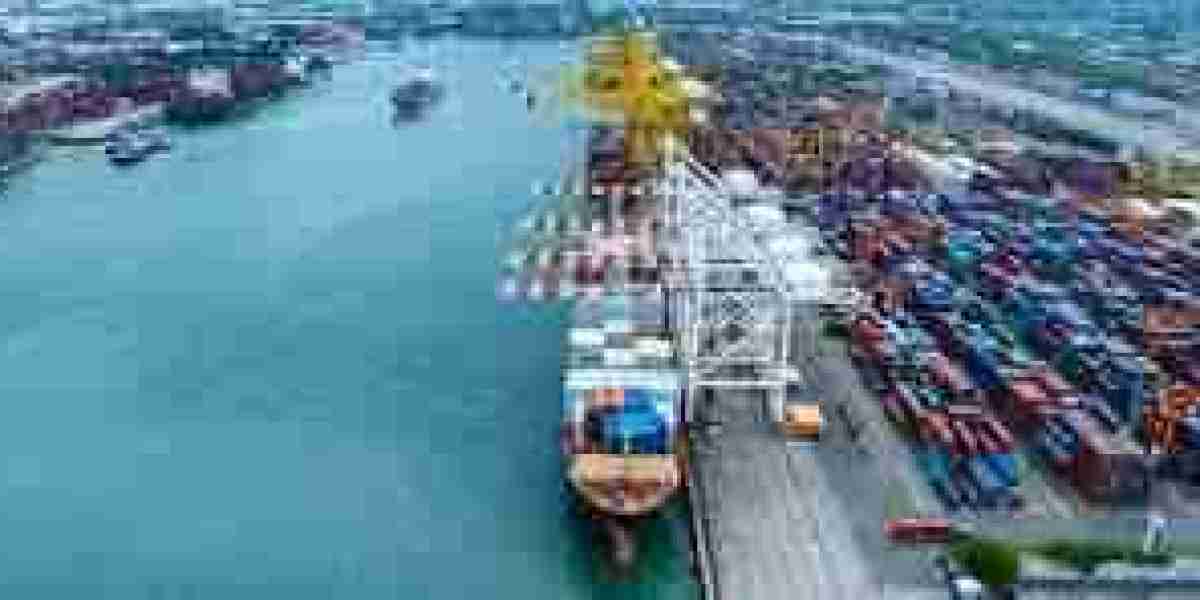
The Ocean Freight Forwarding Market is undergoing a digital transformation that is redefining how goods move globally and how customers engage with logistics providers. Driven by rising demand for faster, more transparent, and cost-effective shipping services, digital technologies are now at the core of modern freight forwarding operations. From cloud-based platforms to artificial intelligence (AI), digitalization is empowering the industry to optimize routes, manage risks, and deliver real-time customer insights.
The Shift from Manual to Digital Freight Operations
Historically, ocean freight forwarding involved significant manual labor—from rate quoting and documentation to tracking and communication. However, digitalization is rapidly displacing these legacy processes with streamlined, automated systems. Web-based freight booking platforms now allow customers to obtain instant quotes, book space, and upload documents seamlessly. This is reducing transaction times from days to minutes, especially for time-sensitive cargo.
Freight forwarders who embrace digital workflows are better positioned to increase volume without expanding operational headcount. Automated scheduling, smart contracts, and AI-enabled document verification systems help scale operations while minimizing human error.
Customer-Centric Transformation Through Digital Tools
One of the most significant impacts of digitalization is the enhancement of customer experience. Today’s shippers expect end-to-end visibility, accurate tracking, and fast problem resolution. Digital platforms now offer dashboards that allow customers to monitor container status, receive alerts for delays, and manage customs compliance—all in one place.
Leading logistics players are launching mobile apps and online portals that let clients interact in real time, reducing dependency on emails or phone calls. These tools also support multi-language capabilities, making them ideal for international shippers.
Predictive Analytics and Route Optimization
Digitalization brings with it the power of data. Freight forwarders are now using predictive analytics to forecast demand, optimize shipping schedules, and reduce delivery times. For instance, historical data combined with machine learning models can identify port congestion trends and recommend alternative routes before delays occur.
This data-driven decision-making is particularly valuable in volatile markets, helping logistics companies allocate container capacity more effectively and offer clients smarter, faster service. Predictive capabilities also extend to risk management, alerting operators to potential disruptions due to weather, strikes, or customs issues.
Integration of AI, IoT, and Blockchain
Emerging technologies such as artificial intelligence (AI), the Internet of Things (IoT), and blockchain are playing a critical role in elevating the industry. AI is being used to process shipment documents, classify cargo, and even predict container damage based on route history. Chatbots and virtual assistants are also improving customer engagement by resolving routine inquiries instantly.
IoT sensors, placed inside containers, provide real-time data on temperature, humidity, and tampering—ensuring sensitive shipments like pharmaceuticals and perishables remain within acceptable conditions. Blockchain adds an extra layer of transparency and security, enabling tamper-proof documentation and seamless customs clearance.
Benefits for Freight Forwarders and Shippers Alike
Digitalization offers compelling benefits across the value chain. For freight forwarders, it enables higher operational efficiency, faster turnaround, and better scalability. For shippers, the outcome is greater control, enhanced transparency, and improved cost management.
Additionally, digital tools allow for better collaboration among stakeholders—shipping lines, port authorities, customs brokers, and customers—ensuring everyone has access to real-time, synchronized data. This minimizes miscommunication and fosters proactive logistics planning.
Challenges Hindering Full-Scale Digital Adoption
Despite its benefits, digital adoption faces barriers. Many freight forwarders, especially in emerging markets, still rely on paper-based systems and legacy infrastructure. Digital transformation requires significant investment in software, training, and cybersecurity. Additionally, the lack of industry-wide digital standards makes integration across different platforms a challenge.
Data privacy regulations, especially in international shipping contexts, can further complicate cross-border data sharing. To overcome these obstacles, freight forwarders must prioritize strategic partnerships with tech providers and industry groups.
Competitive Advantage in a Digital-First Market
Digital maturity is now a key differentiator in the ocean freight forwarding sector. Tech-savvy players like Flexport, Maersk, and Kuehne+Nagel are setting benchmarks by offering intuitive customer platforms, data analytics dashboards, and fully digitized service chains.
Smaller or traditional players that fail to digitize risk losing relevance as customers increasingly demand speed, accuracy, and visibility. In contrast, those who invest in smart solutions are gaining market share by demonstrating agility, transparency, and superior service delivery.
Future Outlook: From Digital Adoption to Digital Innovation
As the market continues to evolve, the focus will shift from simply adopting digital tools to innovating with them. Advanced use of AI for predictive maintenance, blockchain for smart contracts, and IoT for shipment security will define the next era of freight forwarding.
Customers will also expect seamless omnichannel experiences, with 24/7 digital support and integrated logistics dashboards. The freight forwarding companies that thrive will be those that not only digitize but also lead with technology, continuously improving supply chain performance and customer satisfaction.