A dazzling smile is often a beacon of confidence, but its true value extends far beyond aesthetics. Beneath the surface, our mouths are bustling ecosystems, constantly battling against the accumulation of plaque and tartar. These sticky, bacteria-laden films are the primary culprits behind a host of oral health issues, from bad breath and cavities to serious gum disease. While daily brushing and flossing are crucial, they simply cannot remove all the hardened deposits that cling stubbornly to tooth surfaces and beneath the gum line. This ongoing, unseen battle underscores the critical importance of professional intervention, making regular dental cleanings an indispensable part of comprehensive oral care, impacting not just our smiles but our overall health.
What is Teeth Cleaning and Polishing and How Does it Protect You?
The Cornerstone of Preventive Dental Care
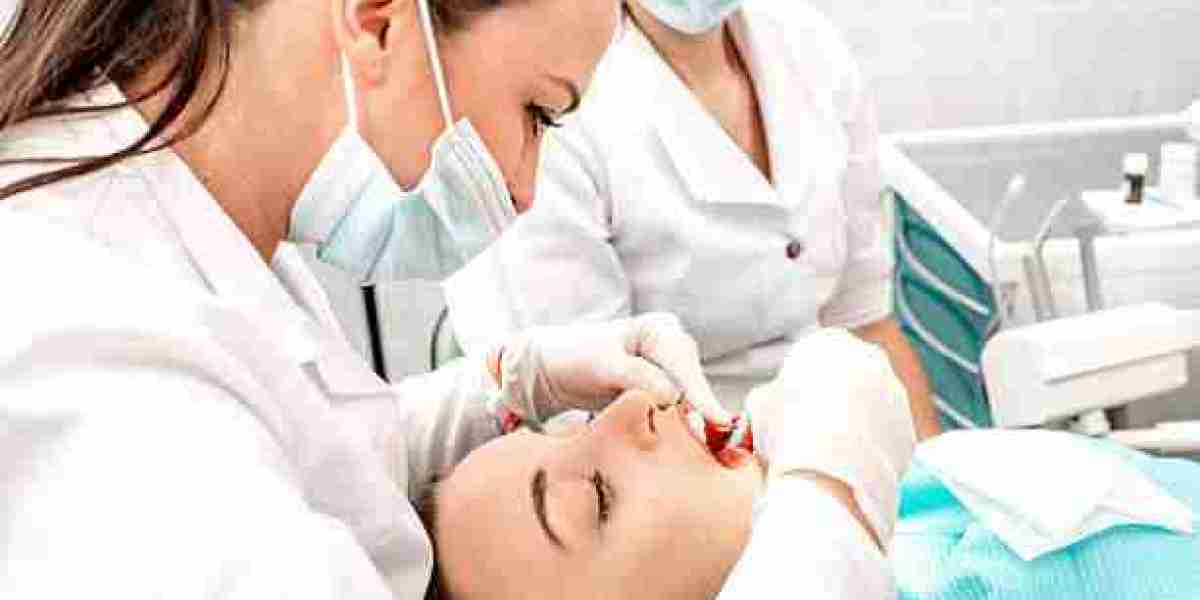
Teeth Cleaning and Polishing in Riyadh, often referred to as dental prophylaxis or a scale and polish, is a professional procedure performed by a dental hygienist or dentist to thoroughly clean your teeth and maintain optimal oral health. This comprehensive cleaning goes far beyond what daily brushing and flossing can achieve. It involves two main stages: scaling, which meticulously removes hardened plaque (tartar or calculus) and soft plaque from the tooth surfaces, both above and below the gum line, and polishing, which smoothes the tooth surfaces, making it more difficult for plaque to adhere in the future, while also removing superficial stains. This vital preventative treatment is the bedrock of a healthy mouth and a brighter smile, proactively safeguarding against a multitude of dental problems.
The Detailed Process of Professional Cleaning
Understanding the steps involved in a professional Teeth Cleaning and Polishing in Riyadh can help ease any anxieties and highlight its thoroughness:
Initial Examination: The dental hygienist or dentist begins with a comprehensive visual examination of your entire mouth, including your teeth, gums, tongue, and other soft tissues. They look for any signs of inflammation, decay, gum disease, or other potential concerns, sometimes using a small mirror and light. X-rays may also be taken periodically to check for issues not visible to the naked eye.
Plaque and Tartar Removal (Scaling): This is the core of the cleaning. Using specialized instruments, either manual scalers or an ultrasonic device that uses vibrations to break down tough deposits, the hygienist meticulously removes plaque and hardened tartar (calculus) from every tooth surface, focusing particularly on the gum line and between teeth. This process might involve some scraping noises or a vibrating sensation, but it's crucial for eliminating bacteria and preventing disease.
Gritty Toothpaste Cleaning (Polishing): Once all plaque and tartar have been removed, an electric toothbrush with a high-powered rotating head and a special gritty toothpaste is used to thoroughly scrub and polish your teeth. This step removes any remaining surface stains caused by food, drinks, or tobacco, leaving your teeth feeling incredibly smooth and looking noticeably brighter. The smooth surface also makes it harder for new plaque to attach.
Professional Flossing: Even after scaling and polishing, a thorough flossing session is performed by the hygienist. This step ensures that any remaining plaque or toothpaste particles between your teeth are removed and helps identify any potential trouble spots or areas of gum inflammation.
Rinsing: You'll be asked to rinse your mouth thoroughly to wash away any debris or remaining toothpaste. Often, a mouthwash containing fluoride is provided.
Fluoride Treatment (Optional but Recommended): The final step typically involves a fluoride treatment. This can be applied as a gel in trays, a varnish painted onto the teeth, or a rinse. Fluoride helps to strengthen tooth enamel, making teeth more resistant to acid attacks from bacteria and reducing the risk of cavities.
The Rewards: A Cascade of Benefits for Your Health
Preventing Gum Disease and Tooth Loss
Plaque and tartar buildup are the primary causes of gingivitis, the early stage of gum disease, characterized by red, swollen, and bleeding gums. If left untreated, gingivitis can progress to periodontitis, a more severe form that can lead to bone loss around the teeth and ultimately tooth loss. Regular professional cleanings meticulously remove these harmful deposits, preventing the onset and progression of gum disease, thereby preserving your natural teeth.
Combating Cavities and Tooth Decay
The bacteria in plaque produce acids that erode tooth enamel, leading to cavities. By thoroughly removing plaque and tartar, professional cleaning significantly reduces the bacterial load in your mouth, thus lowering your risk of tooth decay and cavity formation. This proactive approach saves you from potentially painful and costly restorative dental procedures down the line.
Achieving Fresher Breath and a Brighter Smile
Persistent bad breath (halitosis) is often a direct result of accumulated bacteria, plaque, and decaying food particles in the mouth. Professional cleaning eliminates these odor-causing culprits, leaving your mouth feeling incredibly fresh and your breath noticeably improved. Furthermore, the polishing step removes superficial stains from coffee, tea, red wine, and tobacco, revealing a naturally brighter and more attractive smile without the need for bleaching agents.
Early Detection of Dental Problems
Routine dental cleaning appointments are not just about cleaning; they are also a crucial opportunity for your dental professional to conduct a comprehensive oral examination. During this check, they can spot early signs of cavities, gum disease, cracked teeth, or even more serious issues like oral cancer, often before they become painful or severe. Early detection allows for timely intervention, often leading to simpler, less invasive, and more affordable treatments.
Contributing to Overall Systemic Health
The link between oral health and overall body health is increasingly recognized. Poor oral hygiene and untreated gum disease have been associated with various systemic conditions, including cardiovascular disease, diabetes complications, respiratory infections, and even adverse pregnancy outcomes. By maintaining a healthy mouth through regular cleanings, you reduce the inflammatory burden on your body and contribute positively to your general well-being.
The Risks (and How They're Managed): Minor Considerations
Temporary Sensitivity
It's common to experience some temporary tooth sensitivity to hot or cold temperatures after a professional cleaning, especially if you had significant tartar buildup. This occurs because the newly exposed tooth surfaces, previously covered by tartar, are now more sensitive to external stimuli. This sensitivity is usually mild and subsides within a few days. Your dental professional might recommend a desensitizing toothpaste to alleviate this.
Gum Tenderness or Bleeding
During the scaling process, particularly if you have inflamed gums (gingivitis), you might experience some mild gum tenderness or slight bleeding. This is a normal reaction as the hygienist removes irritating plaque and tartar from around the gum line. This discomfort is temporary and typically resolves within a day or two as your gums begin to heal. Good oral hygiene at home will aid this recovery.
Minor Jaw Discomfort
Keeping your mouth open for the duration of the cleaning can sometimes lead to mild jaw discomfort, especially for those with temporomandibular joint (TMJ) issues. If you experience jaw pain, communicate this to your hygienist, who can provide breaks or advise on comfortable positioning.
Rare Complications
While extremely rare, potential complications include damage to existing dental work (like fillings or crowns), or, in very rare cases, infection if bacteria enter the bloodstream (more concerning for individuals with compromised immune systems or certain heart conditions). These risks are minimized by choosing a qualified and reputable dental professional and by disclosing your full medical history.
Maximizing the Rewards: Post-Cleaning Care and Beyond
Immediate Aftercare: Nurturing Your Freshly Cleaned Mouth
The first few hours after your Teeth Cleaning and Polishing in Riyadh are crucial for maintaining the results and minimizing discomfort.
Avoid Eating/Drinking Immediately: If a fluoride treatment was applied, you might be advised to avoid eating or drinking for 30 minutes to an hour to allow the fluoride to fully absorb and strengthen your enamel.
Gentle Care: For the first 24 hours, use a soft-bristled toothbrush and brush gently. Avoid abrasive toothpaste or strong mouthwashes that might irritate your gums.
Hydration: Drink plenty of water to help rinse away any lingering debris and keep your mouth hydrated.
Long-Term Maintenance: Your Role in Sustained Oral Health
Professional cleanings are a vital component, but they work best in conjunction with consistent home care.
Brush Twice Daily: Use a soft-bristled toothbrush and fluoride toothpaste. Brush for at least two minutes, ensuring you reach all surfaces of your teeth and gently brush your gums.
Floss Daily: Flossing removes plaque and food particles from between your teeth and under the gum line, areas your toothbrush can't reach. This is critical for preventing gum disease and cavities between teeth.
Healthy Diet: Limit sugary and acidic foods and drinks, which contribute to tooth decay and erosion. Opt for a balanced diet rich in fruits, vegetables, and whole grains.
Regular Check-ups: Adhere to your dentist's recommended schedule for regular check-ups and cleanings, typically every six months. This allows for continuous monitoring of your oral health and early intervention if any issues arise.
Frequently Asked Questions
? How often should I get my teeth cleaned and polished?
Most dentists recommend a professional Teeth Cleaning and Polishing in Riyadh every six months. However, this can vary based on individual factors like your oral hygiene habits, susceptibility to plaque/tartar buildup, gum health, and overall health conditions. Your dental professional will advise on the ideal frequency for you.
? Can teeth cleaning and polishing whiten my teeth?
Teeth cleaning and polishing primarily remove extrinsic (surface) stains caused by food, drinks, and tobacco, making your teeth appear naturally brighter. While it can significantly improve the shade of your teeth by removing these stains, it doesn't change the intrinsic color of your tooth enamel like professional teeth whitening treatments do.
? Is the procedure painful?
Professional teeth cleaning is generally not painful, especially with modern techniques and instruments. You might experience some pressure, vibrations, or mild scraping sensations. If you have sensitive teeth or inflamed gums, there might be some temporary discomfort, but your hygienist can adjust their technique or use desensitizing gels to ensure your comfort.
? What's the difference between plaque and tartar?
Plaque is a soft, sticky, colorless film of bacteria that constantly forms on your teeth. It can be removed with daily brushing and flossing. If plaque is not removed, it hardens and mineralizes into tartar (calculus), which is a hard, yellow or brown deposit. Tartar cannot be removed by brushing or flossing at home and requires professional dental instruments to be effectively removed.