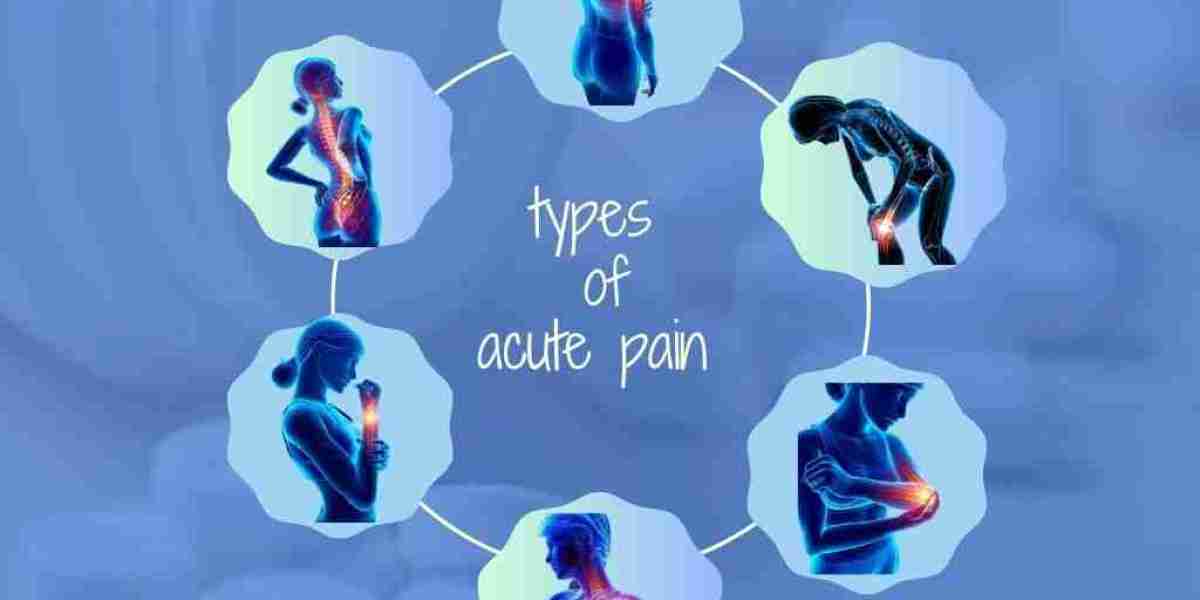
Acute pain comes on suddenly. It can result from injury, surgery, or illness. Managing it fast can improve comfort and help you heal faster. There are different ways to handle acute pain. These include medication, lifestyle tips, and physical methods.
One commonly prescribed medicine is Tydol 100mg. Its active ingredient is Tapentadol, which works on the brain to block pain signals. Below are seven effective ways to control and reduce acute pain.
1. Use Tydol 100mg (Tapentadol)
Tydol 100mg is a strong painkiller. Doctors prescribe it for moderate to severe acute pain. It acts quickly. The active ingredient, Tapentadol, targets pain by working on two areas of the brain. It changes how pain is felt and blocks pain messages.
Tapentadol is effective in treating nerve, bone, and muscle pain. It also helps with pain after surgery. It gives fast relief within 30 to 60 minutes of taking a dose.
This medicine should be used only under medical advice. Misuse can lead to addiction or side effects like dizziness, sleepiness, or nausea. Always follow the prescribed dose and avoid combining it with alcohol or other depressants.
2. Apply Ice Packs
Cold helps reduce inflammation. It also numbs the area and slows nerve activity. This helps ease swelling and sharp pain. Ice packs work well for injuries, sprains, or swelling after physical strain.
Wrap ice in a cloth and apply it to the painful area for 15-20 minutes. Avoid placing ice directly on the skin to prevent damage. Ice is most helpful in the first 48 hours after pain begins.
3. Rest the Affected Area
Resting helps your body heal. Movement can worsen the pain or delay recovery. If the pain is from a joint or muscle injury, resting prevents further stress.
Do not overuse the affected area. Let the tissue heal. Use pillows, slings, or braces if needed to support the painful area. Avoid activities that trigger the pain. Gradually return to normal movement once the pain decreases.
4. Use Over-the-Counter Pain Relievers
Common painkillers like paracetamol or ibuprofen can be helpful. They are easy to get and often used for mild to moderate pain. These drugs reduce inflammation and lower pain signals.
Ibuprofen also reduces swelling. Paracetamol is better for headaches or fever. These should be taken after meals and not for long periods without medical advice. They are not a substitute for stronger medicines like Tydol 100mg but may help with mild symptoms or work alongside prescribed drugs.
5. Try Physical Therapy
A trained therapist can help you manage pain through controlled movements. Physical therapy helps muscles heal and joints move properly. It improves blood flow and reduces stiffness.
You may receive heat or cold treatment, guided exercise, or massage therapy. These methods are useful in reducing pain caused by injuries, surgeries, or repetitive strain. Therapy sessions can be tailored to your condition. Over time, they may reduce the need for medicine.
6. Practice Deep Breathing and Relaxation
Pain can cause stress. Stress worsens pain. Simple breathing techniques help calm the mind and relax the body. Deep breathing reduces tension and lowers heart rate. It also helps you focus less on the pain.
Lie in a quiet place. Close your eyes. Take slow deep breaths through your nose and exhale through your mouth. Repeat this for 5–10 minutes. You can do this several times a day.
7. Maintain a Healthy Diet and Stay Hydrated
Eating the right foods helps your body fight pain. Anti-inflammatory foods like green vegetables, turmeric, berries, and fish reduce inflammation. Staying hydrated also keeps your muscles and joints working better.
Avoid foods that worsen inflammation like sugar, red meat, and alcohol. Include more vitamins and omega-3 fatty acids in your meals. These nutrients support the healing process.
When to See a Doctor
Some acute pain needs fast medical help. Go to a doctor if:
Pain doesn’t go away after a few days
You feel weakness or numbness
The area is swollen or bruised badly
Pain gets worse even with medicine
You cannot sleep or do daily activities
Ignoring pain can cause complications. Doctors may do scans or prescribe stronger treatments like Tydol 100mg to stop the pain from turning chronic.
Summary
Acute pain can affect your daily life. Treating it quickly improves recovery. Simple things like ice packs, rest, and breathing help. For more severe pain, Tydol 100mg with Tapentadol works fast and gives long-lasting relief.
Pain should never be ignored. Find the right combination of methods that work for your body. Use medicine only as directed. Contact a doctor if pain gets worse or lasts longer than expected.