The Antipsychotic Drugs Market is witnessing significant transformation, driven by increasing mental health awareness, rising incidence of psychiatric disorders, and ongoing pharmaceutical advancements. Antipsychotic drugs, primarily used to manage psychosis-related conditions like schizophrenia, bipolar disorder, and severe depression, have become an essential part of global healthcare systems. The growing prevalence of these conditions, along with improved diagnostic capabilities, continues to fuel demand.
Market Overview
In recent years, the global burden of mental disorders has surged. According to the World Health Organization, nearly 1 in 8 people worldwide live with a mental health condition. This rising incidence has necessitated effective treatment options, with antipsychotic medications playing a central role. The market is segmented into typical (first-generation) and atypical (second-generation) antipsychotics. While typical antipsychotics are older and cost-effective, atypical drugs are preferred for their reduced risk of side effects, particularly extrapyramidal symptoms.
Key Market Drivers
One of the primary drivers of the antipsychotic drugs market is the increasing diagnosis of schizophrenia and bipolar disorder, which are chronic and often lifelong conditions requiring sustained treatment. The awareness and destigmatization of mental illnesses have encouraged more individuals to seek medical help, creating consistent demand for drug therapy.
Additionally, innovation in drug development has led to the creation of long-acting injectables (LAIs), which improve treatment adherence. These drugs offer controlled and sustained release, minimizing the frequency of doses and lowering the risk of relapse due to non-compliance—one of the major challenges in psychiatric treatment.
Another growth factor is the increase in healthcare access across emerging economies. Government initiatives and global health organizations are promoting mental health programs and incorporating antipsychotic treatment into primary care, especially in countries like India, Brazil, and China.
Challenges Facing the Market
Despite growth prospects, several challenges persist. Many antipsychotic drugs are associated with severe side effects including weight gain, diabetes, and metabolic syndromes, which can limit patient compliance and quality of life. Moreover, the development of novel antipsychotic drugs is a costly and time-consuming process, often requiring extensive clinical trials and regulatory approvals.
Patent expirations of key blockbuster drugs have also led to the proliferation of generics, intensifying market competition and reducing revenue margins for big pharmaceutical firms. While this benefits patients through more affordable options, it poses challenges for brand-name drug producers.
Competitive Landscape
The market is highly competitive, with major players such as Johnson & Johnson, Otsuka Pharmaceutical, Eli Lilly and Company, AstraZeneca, and Bristol Myers Squibb leading the way. These companies focus heavily on R&D to develop newer, safer, and more effective medications. Strategic partnerships, mergers, and acquisitions are also common to expand product portfolios and geographic presence.
The emergence of personalized medicine and pharmacogenomics is further shaping the competitive landscape. By tailoring drug therapies to an individual’s genetic profile, pharmaceutical firms can offer more targeted and effective treatment options with fewer side effects, enhancing patient outcomes and brand loyalty.
Future Outlook
The antipsychotic drugs market is poised for continued expansion, especially as artificial intelligence (AI) and machine learning become more integrated into drug discovery and mental health diagnostics. Telepsychiatry, which gained significant traction during the COVID-19 pandemic, has also made psychiatric consultations more accessible, potentially increasing prescription volumes.
Moreover, there is a growing emphasis on developing antipsychotic drugs that not only manage symptoms but also target the root causes of disorders at the neurochemical level. Advances in neuroscience and biotechnology are expected to unlock new treatment pathways.
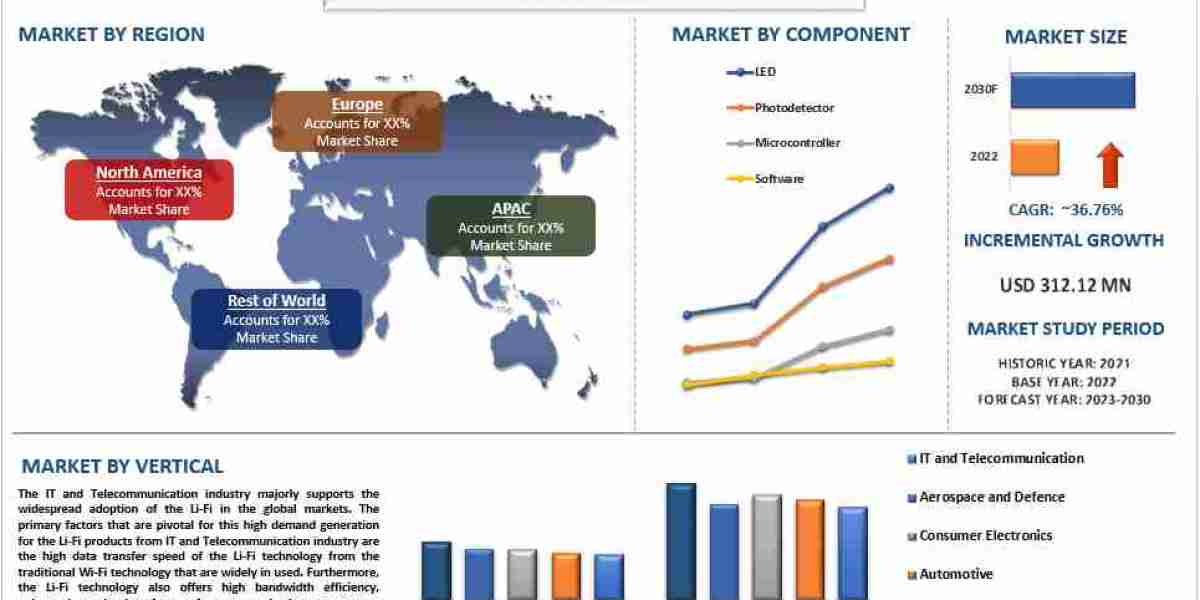
The global antipsychotic drugs market is expected to grow steadily over the next decade, with North America holding the largest share due to high healthcare expenditure and a robust pharmaceutical sector. However, Asia-Pacific is anticipated to witness the fastest growth owing to increasing mental health awareness and healthcare infrastructure development.
Conclusion
The antipsychotic drugs market is at a dynamic crossroads, influenced by a blend of rising mental health concerns, innovative drug formulations, and global healthcare expansion. While challenges like side effects and patent cliffs persist, opportunities in digital health, AI-driven research, and personalized medicine suggest a promising future for stakeholders across the value chain.