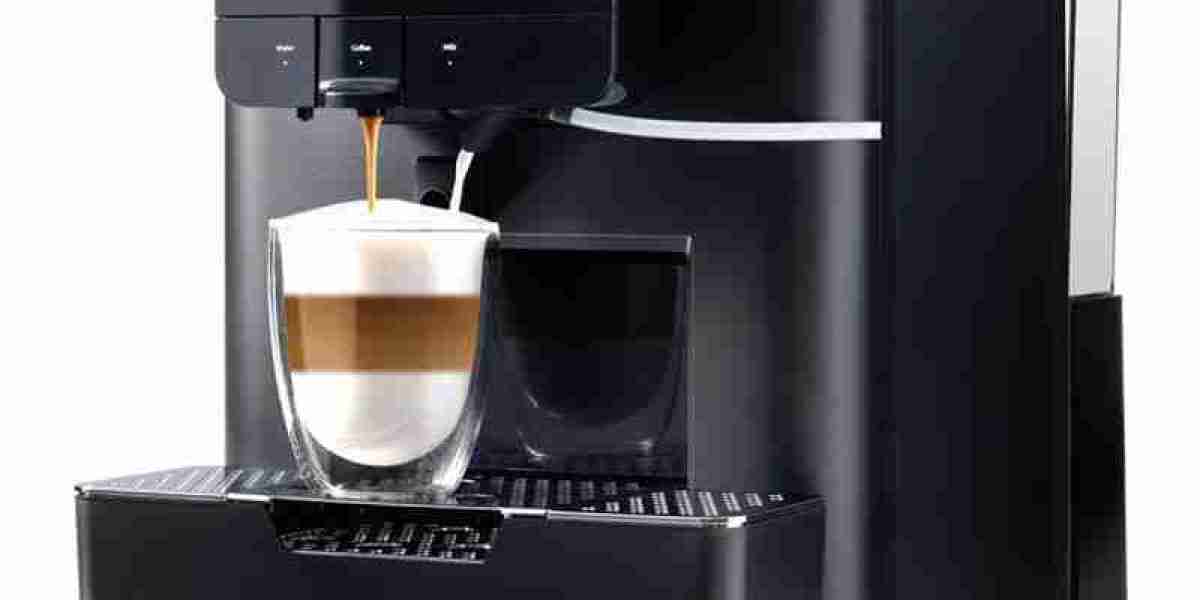
The automatic coffee machines market has seen remarkable developments in recent years, driven by rapid technological innovation, growing consumer demand for premium and convenient coffee experiences, and increased focus on sustainability. These market developments have transformed automatic coffee machines from basic appliances into sophisticated, intelligent devices that cater to evolving lifestyle needs and environmental concerns.
One of the most significant developments in the automatic coffee machines market is the widespread integration of smart technology. Manufacturers are increasingly incorporating Internet of Things (IoT) connectivity, allowing users to operate machines remotely through smartphones or voice assistants. This connectivity enables users to customize brewing parameters, schedule coffee preparation, and receive maintenance alerts, all from their mobile devices. The rise of artificial intelligence (AI) in coffee machines is another key trend, with devices learning user preferences to optimize flavor profiles and brewing times automatically. This personalization significantly enhances the coffee drinking experience, appealing to tech-savvy consumers who value convenience and customization.
Another crucial development is the improvement in brewing technology to replicate café-quality coffee at home or in offices. Automatic coffee machines now offer advanced grinders that preserve bean freshness, precision temperature control, and improved milk frothing systems that produce barista-quality textures. These innovations help satisfy the growing market segment of coffee enthusiasts seeking specialty beverages without needing professional skills or equipment. Additionally, manufacturers are focusing on quieter operation and faster brewing times to enhance user comfort and efficiency.
Sustainability has become a core focus in recent market developments. Eco-conscious consumers are increasingly prioritizing environmentally friendly products, prompting brands to innovate in energy efficiency and waste reduction. Automatic coffee machines with energy-saving modes, longer-lasting components, and recyclable materials are gaining traction. Moreover, the trend toward using freshly ground coffee instead of single-use capsules helps reduce plastic waste, aligning with global efforts to minimize environmental impact. Some brands are also exploring biodegradable pods and reusable filters to further boost sustainability credentials.
Design innovation plays a vital role in market developments. As automatic coffee machines increasingly become lifestyle products, manufacturers are investing in sleek, compact, and aesthetically pleasing designs that fit modern kitchens and office spaces. Modular and customizable designs allow users to tailor machines to their space and functional preferences. Touchscreen controls and intuitive interfaces also improve usability, making automatic coffee machines more accessible to a broader audience, including those less familiar with advanced brewing equipment.
The commercial segment has experienced noteworthy developments as well. Automatic coffee machines designed for high-volume environments such as offices, hotels, and cafés now feature robust build quality, enhanced capacity, and simplified maintenance processes. Self-cleaning functions, automatic descaling, and easy-access components reduce downtime and operational costs. These improvements meet the demand for reliable, efficient machines that support a consistent supply of high-quality coffee during busy hours.
Market developments are further influenced by regional growth and consumer behavior. In mature markets such as North America and Europe, demand centers around innovation, brand reputation, and premium features. Consumers seek cutting-edge machines that combine technology, design, and sustainability. Meanwhile, the Asia-Pacific region is a hotspot for rapid growth due to urbanization, rising disposable income, and expanding coffee culture. Here, demand is strong for compact, affordable, and user-friendly machines suited to smaller living spaces and evolving tastes.
Retail and distribution channels have also adapted with market developments. The rise of e-commerce has allowed brands to reach consumers directly, offering detailed product information, customer reviews, and digital marketing campaigns. This shift has increased competition but also provided opportunities for niche and emerging brands to establish themselves. Subscription models for coffee beans and machine maintenance services are additional developments that help brands build long-term customer relationships.
Customer service and after-sales support have seen improvements as well, reflecting their growing importance in consumer decision-making. Brands now emphasize easy access to spare parts, prompt repairs, and comprehensive warranties. Digital platforms provide troubleshooting guides, tutorials, and virtual assistance, enhancing the ownership experience and fostering brand loyalty.
Lastly, the COVID-19 pandemic accelerated several market developments by reshaping consumer habits. The increase in remote work heightened demand for home coffee machines, prompting manufacturers to focus on models that blend performance with convenience and compactness. This shift has led to greater innovation aimed at making premium coffee accessible to a broader population outside traditional cafés.
In conclusion, the automatic coffee machines market is being shaped by a series of impactful developments that drive innovation, sustainability, and enhanced user experience. Smart technology integration, improvements in brewing capabilities, eco-friendly designs, and regional market adaptations collectively fuel the industry’s expansion. Manufacturers that continue to innovate while addressing consumer expectations and environmental concerns will lead the market’s future growth, making automatic coffee machines an indispensable part of modern coffee culture worldwide.