In the rapidly evolving world of marketing and brand engagement, staying ahead means embracing innovative technologies that captivate audiences and create memorable experiences. One such groundbreaking technology is projection mapping — a technique that transforms ordinary surfaces into dynamic, interactive canvases. For brands looking to make a bold statement, projection mapping offers an unparalleled way to turn walls into interactive billboards that command attention and boost engagement.
In this blog, we’ll dive deep into what projection mapping is, how brands can harness its power, and why it’s becoming a must-have tool in modern marketing campaigns.
What Is Projection Mapping?
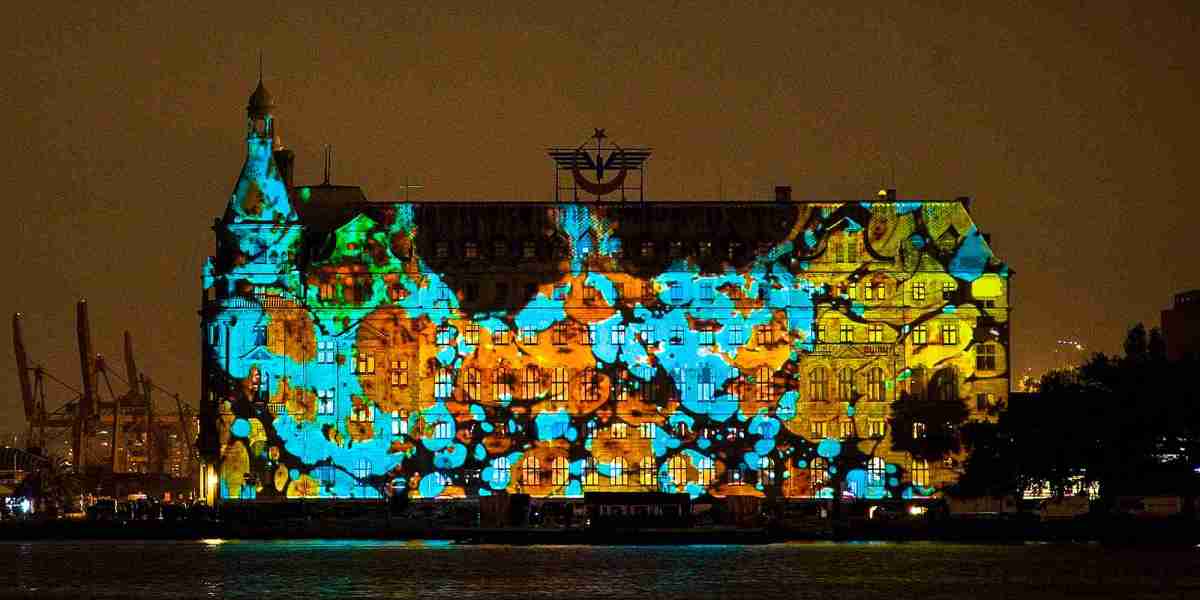
Projection mapping, sometimes called video mapping or spatial augmented reality, is a technology that projects images, animations, or videos onto irregularly shaped surfaces — like buildings, walls, stages, or even objects — in a way that perfectly fits the contours of those surfaces. Unlike traditional flat-screen displays, projection mapping turns 3D objects into dynamic visual displays, creating immersive and often interactive experiences.
The magic lies in the software that “maps†the projection exactly onto the shape and texture of the target surface, ensuring the visuals appear as if they are part of the object itself rather than just an image cast upon it. This technique allows brands to:
- Animate static structures
- Highlight architectural features
- Create illusions of movement and transformation
- Engage audiences through interactive elements
Why Brands Are Turning to Projection Mapping
1. Unforgettable Brand Experiences
In a crowded market, brands need to stand out. Projection mapping grabs attention in ways static billboards or traditional ads simply can’t match. By transforming walls or buildings into storytelling canvases, brands can craft immersive narratives that resonate deeply with audiences. This emotional connection is key to building brand loyalty.
2. Flexibility and Creativity
Projection mapping is incredibly versatile. Brands can easily update content for different campaigns or events without any physical changes to the environment. This flexibility lets marketers experiment with creative visuals — from dramatic transformations of landmarks to subtle brand logos that interact with passersby.
3. High Impact in Public Spaces
Large-scale projection mapping projects in public places create buzz and attract crowds. Events using projection mapping become social media gold, encouraging attendees to share their experiences online — generating organic brand exposure far beyond the event itself.
4. Interactive Engagement
Modern projection mapping isn’t just about dazzling visuals; it can incorporate interactive technology such as motion sensors or mobile device integration. This interactivity invites consumers to engage directly with the brand message, fostering deeper connections and making the experience more memorable.
Popular Applications of Projection Mapping for Brands
Event Marketing and Launches
Projection mapping is ideal for product launches, store openings, or brand events. By projecting branded content on venue walls or building facades, brands create an immersive atmosphere that excites attendees and generates positive associations with the product or service.
Outdoor Advertising
Traditional billboards can be replaced or supplemented with projection mapping to add an element of surprise and creativity. Nighttime projections on urban buildings allow brands to make large-scale visual statements without the cost or permanence of physical installations.
Retail Environments
Stores can use projection mapping to animate window displays or interior walls, creating an ever-changing retail environment that attracts customers and encourages them to linger longer — increasing the likelihood of sales.
Trade Shows and Exhibitions
Projection mapping transforms standard booths into eye-catching experiences that stand out in crowded trade show halls. Brands can showcase product features, corporate stories, or interactive demos through captivating projections that pull in visitors.
Brand Storytelling and Art Installations
Projection mapping blends marketing with art, allowing brands to express their identity through stunning visuals on architecture or sculptures. This approach enhances brand perception as innovative and culturally relevant.
How Does Projection Mapping Work? A Quick Overview
Understanding the basics of how projection mapping works can help brands better appreciate the technology and envision its possibilities.
- Surface Scanning and Mapping: The first step involves digitally scanning or modeling the surface where the projection will occur. This creates a 3D map that guides the projection.
- Content Creation: Designers produce visuals tailored to fit the mapped surface’s dimensions and features, ensuring animations or images perfectly align.
- Projection Setup: Using powerful projectors, the content is projected onto the surface. Multiple projectors may be used for large or complex surfaces to cover every angle and maintain brightness.
- Calibration and Adjustment: Technicians fine-tune the projection for clarity, alignment, and brightness to ensure a seamless visual experience.
- Optional Interactivity: Sensors, cameras, or mobile apps can be integrated to allow audience interaction with the projection, enhancing engagement.
Benefits of Projection Mapping Over Traditional Advertising
Cost Efficiency Over Time
While the initial setup of projection mapping can require investment in equipment and design, it often proves more cost-effective in the long run compared to repeated physical signage changes or expensive print advertising.
Environmentally Friendly
Projection mapping reduces waste since no physical materials are discarded or replaced. It’s a green alternative for brands looking to minimize their environmental footprint.
Adaptability to Various Locations
Whether a historic building, an irregular wall, or a pop-up store, projection mapping adapts easily to diverse locations without permanent alterations, making it ideal for temporary campaigns or touring activations.
Challenges and Considerations for Brands
While projection mapping offers many advantages, brands should be aware of a few challenges:
- Weather Dependency: Outdoor projections can be affected by rain, fog, or bright daylight, which might reduce visibility.
- Technical Expertise: Successful projection mapping requires skilled designers and technicians to execute the project flawlessly.
- Power and Equipment: High-quality projectors require significant power and setup space.
- Permits and Permissions: Using public buildings may require permissions from local authorities.
Proper planning and working with experienced professionals can help brands overcome these hurdles and maximize impact.
Future Trends in Projection Mapping for Brands
Increased Interactivity
As sensor and AI technologies advance, projection mapping will become even more interactive, allowing brands to tailor experiences in real-time based on audience behavior.
Integration with AR and VR
Projection mapping combined with augmented reality (AR) and virtual reality (VR) will blur the line between physical and digital, offering hybrid experiences that deepen consumer engagement.
Portable and Miniaturized Solutions
Smaller, more portable projection setups will enable brands to deploy projection mapping in unconventional and remote locations, expanding creative possibilities.
Data-Driven Campaigns
Using data analytics, brands will be able to customize projection mapping content to target audiences more effectively, boosting conversion rates and ROI.
Conclusion: Elevate Your Brand with Projection Mapping and Scale Up Spaces
In today’s competitive market, standing out requires innovation and immersive storytelling. Projection mapping offers brands an extraordinary way to turn ordinary walls into interactive billboards that captivate and engage audiences like never before. From large-scale outdoor projections to retail window animations, this technology delivers creative flexibility, high impact, and measurable engagement.
If you’re ready to transform your brand’s presence and make a lasting impression, partnering with experts is key. At Scale Up Spaces, we specialize in delivering cutting-edge projection mapping solutions tailored to your brand’s unique needs. Let us help you harness the power of projection mapping to elevate your marketing campaigns and create unforgettable experiences that truly resonate.