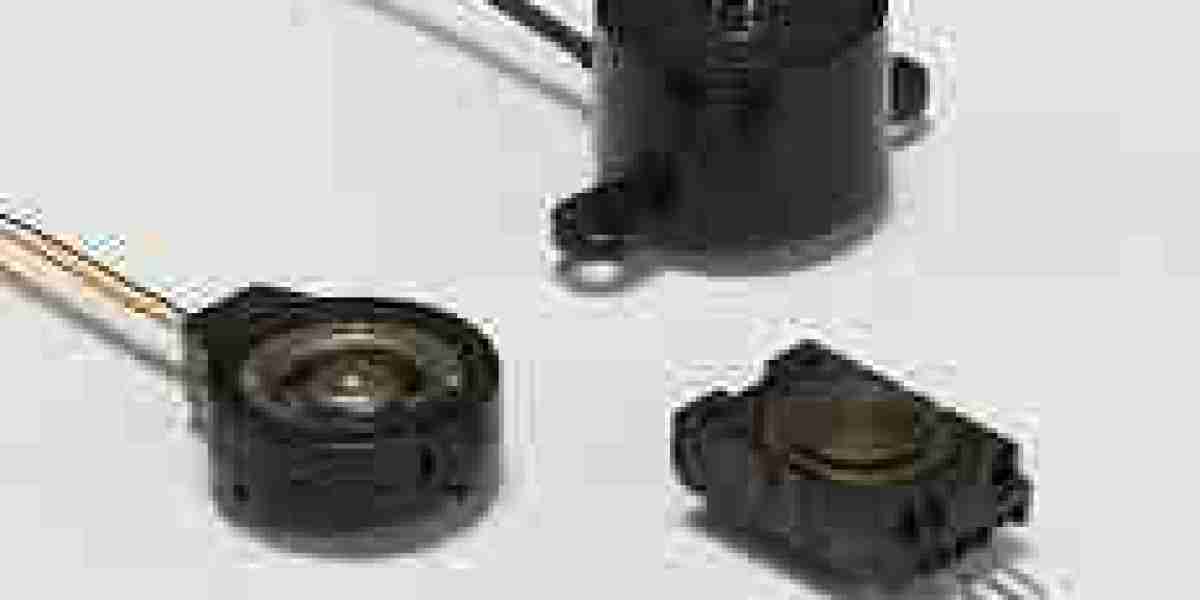
The force sensors market, integral to sectors such as automotive, aerospace, healthcare, and industrial automation, faces significant challenges from counterfeit semiconductors and data breaches. These threats not only compromise product integrity and safety but also pose substantial financial and reputational risks. Addressing these issues requires a multifaceted approach encompassing supply chain management, technological safeguards, and regulatory compliance.

Counterfeit Semiconductors: A Persistent Threat
Counterfeit semiconductors infiltrate supply chains through unauthorized distributors, recycled components, and fraudulent manufacturing practices. These counterfeit parts can lead to equipment failures, safety hazards, and increased maintenance costs. The force sensor market is particularly vulnerable due to the precision and reliability required in applications like automotive safety systems and medical devices.
Global Production Landscape
The force sensors market was valued at approximately USD 3.07 billion in 2023 and is projected to reach USD 4.82 billion by 2030, growing at a CAGR of 5.5% during the forecast period. This growth is underpinned by the escalating need for precise force measurement in sectors like automotive, healthcare, and consumer electronics.
Asia-Pacific dominates the production landscape, driven by rapid industrialization, technological advancements, and the presence of key sensor manufacturers. Countries such as China, Japan, and South Korea are leading the market in this region, with significant investments in industrial automation and advancements in sensor technology. India is also emerging as a significant player, with its expanding automotive and manufacturing sectors contributing to increased demand for force sensors.
North America and Europe maintain strong production capabilities, focusing on high-precision applications in aerospace, defense, and advanced manufacturing. These regions benefit from established infrastructure, skilled labor, and a focus on research and development.
Technological Advancements Driving Production
Innovations in sensor technology are reshaping production methodologies:
Miniaturization and MEMS Technology: The development of micro-electro-mechanical systems (MEMS) has enabled the production of ultra-miniature, high-precision force sensors. These are increasingly used in consumer electronics and medical devices.Â
Flexible and Stretchable Sensors:Â Advancements in materials science have led to the creation of flexible force sensors, opening new applications in wearable technology and smart textiles.Â
Wireless and Energy-Harvesting Sensors:Â The shift towards wireless and battery-less force sensors, powered by energy-harvesting technologies, is transforming sensor deployment, particularly in remote or hard-to-access locations.Â
Challenges in Production
Despite the positive outlook, several challenges impact force sensor production:
High Manufacturing Costs: Sophisticated force sensor technologies, such as piezoelectric and capacitive sensors, entail high production and integration costs. This is particularly challenging for small and medium-sized enterprises (SMEs) and in price-sensitive regions.Â
Calibration and Accuracy Issues: Maintaining the accuracy and reliability of force sensors is vital, as external influences like temperature and humidity can affect performance. The lack of uniform industry standards for calibration leads to discrepancies in uptake.Â
Rapid Technological Evolution: The fast-paced advancement in force sensor technologies necessitates continuous investment in research and development. Companies face the risk of their existing technologies becoming obsolete if they fail to keep up with innovations.Â
Mitigation Strategies
Sourcing from Authorized Suppliers: Engaging with Original Component Manufacturers (OCMs) and their authorized distributors ensures component authenticity. Regular audits and certifications, such as ISO 9001, further validate supplier credibility .
Implementing Rigorous Testing Protocols: Advanced inspection techniques, including X-ray analysis, decapsulation, and electrical testing, can detect counterfeit components before integration into products .
Enhancing Supply Chain Transparency: Utilizing technologies like blockchain and IoT for real-time tracking of components enhances traceability and accountability across the supply chain .
Adopting Anti-Counterfeiting Technologies: Incorporating physical unclonable functions (PUFs) and secure digital certificates into components can authenticate products and prevent unauthorized replication .
Data Breaches: Protecting Sensitive Information
Data breaches pose a significant risk to companies in the force sensors market, potentially exposing intellectual property, compromising customer data, and disrupting operations. As force sensors become increasingly integrated with IoT and cloud-based systems, the attack surface for cyber threats expands.
Mitigation Strategies
Implementing Robust Cybersecurity Measures:Â Deploying firewalls, intrusion detection systems, and regular security audits can protect against unauthorized access and data breaches.
Encrypting Sensitive Data:Â Utilizing end-to-end encryption for data at rest and in transit ensures that even if data is intercepted, it remains unintelligible to unauthorized parties.
Regular Software Updates and Patch Management:Â Keeping systems and applications up to date with the latest security patches mitigates vulnerabilities that could be exploited by attackers.
Access Control and Authentication:Â Implementing multi-factor authentication and strict access controls ensures that only authorized personnel can access sensitive information.
Regulatory Compliance and Industry Standards
Adhering to industry standards and regulations is crucial in mitigating risks associated with counterfeit components and data breaches. Standards such as AS5553 and AS6081 provide guidelines for counterfeit avoidance, while regulations like the General Data Protection Regulation (GDPR) and the Cybersecurity Maturity Model Certification (CMMC) outline requirements for data protection and cybersecurity.
Conclusion
The force sensors market must proactively address the dual challenges of counterfeit semiconductors and data breaches to ensure product integrity, customer trust, and regulatory compliance. By implementing comprehensive supply chain management practices, adopting advanced technological safeguards, and fostering a culture of security awareness, companies can mitigate these risks and maintain a competitive edge in the market.