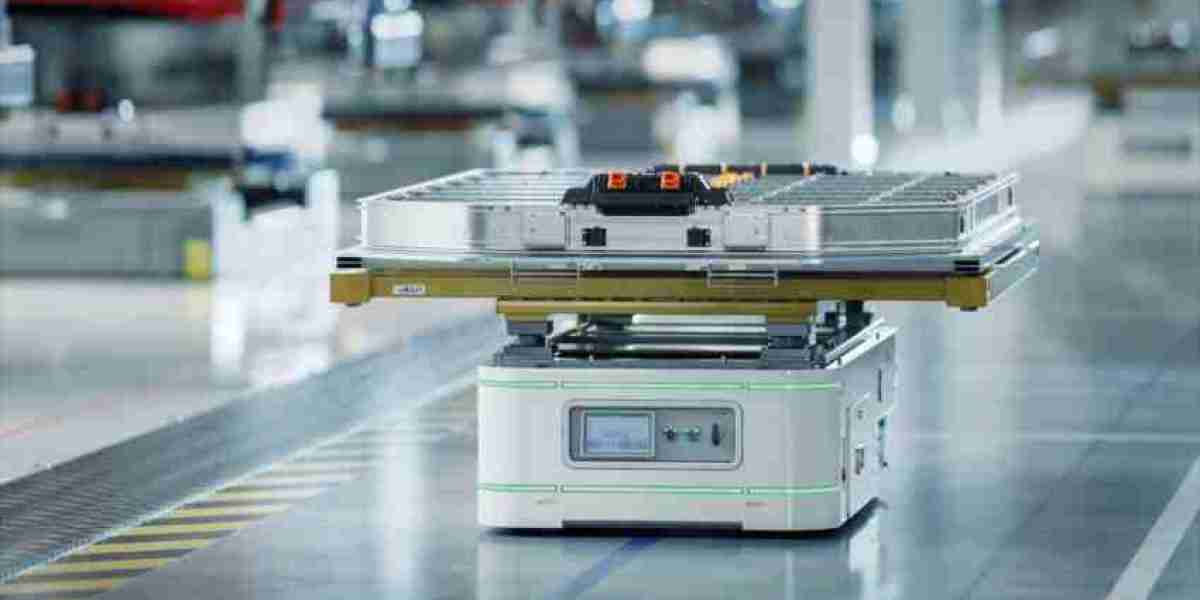
The Automated Guided Vehicle (AGV) market is undergoing rapid development, fueled by technological advancements, evolving logistics requirements, and a growing emphasis on automation across manufacturing and warehousing sectors. AGVs—self-operating vehicles that transport materials without human intervention—have transitioned from simple magnetic guidance systems to sophisticated autonomous platforms driven by artificial intelligence, machine learning, and advanced sensor technologies. This article explores how ongoing development is reshaping the AGV landscape, presenting both opportunities and challenges for stakeholders.
One of the primary drivers behind the AGV market's development is the rising demand for streamlined operations in industries like automotive, e-commerce, food and beverage, and pharmaceuticals. As businesses strive for operational efficiency, AGVs offer a cost-effective solution to minimize human error, reduce labor costs, and enhance safety. Their deployment in large warehouses and distribution centers allows for 24/7 operation, optimizing workflows and accelerating throughput.
Technological innovation plays a pivotal role in AGV development. Modern AGVs are no longer confined to fixed paths or static routes. Instead, they now incorporate vision systems, LiDAR, simultaneous localization and mapping (SLAM), and wireless connectivity to navigate dynamic environments. These upgrades allow AGVs to interact with other machines and humans more fluidly, responding to real-time obstacles and adjusting their routes intelligently. This level of autonomy significantly boosts productivity, making AGVs suitable for complex logistics networks.
Another key aspect of AGV market development is the integration of cloud computing and Internet of Things (IoT) technologies. Cloud-based fleet management systems allow operators to monitor, control, and optimize AGV performance remotely. Data collected from AGVs can be analyzed to predict maintenance needs, monitor battery life, and improve operational strategies. The synergy between AGVs and IoT fosters smarter logistics ecosystems, where every movement and task is measured and refined continuously.
The shift toward Industry 4.0 is another major catalyst for AGV market development. Smart factories rely on seamless machine-to-machine communication, automation, and data exchange—all of which align with AGV functionalities. As a result, more manufacturers are investing in AGV systems to remain competitive and ensure scalability in an increasingly digital industrial environment.
Despite the positive momentum, the development of the AGV market also faces challenges. High initial investment costs, particularly for small and medium-sized enterprises (SMEs), remain a barrier. Customization requirements for specific industry applications can further increase implementation costs and complexity. Additionally, integrating AGVs into legacy systems may require substantial infrastructure overhauls, which some companies are hesitant to undertake.
Nevertheless, market players are actively addressing these challenges through innovation and strategic partnerships. Vendors are developing modular and scalable AGV solutions that cater to diverse budgets and operational needs. Subscription-based and leasing models are also gaining popularity, enabling smaller businesses to adopt AGVs without large upfront expenditures.
Regionally, Asia-Pacific leads the charge in AGV market development, driven by strong manufacturing bases in China, Japan, and South Korea. These countries are investing heavily in automation to offset rising labor costs and maintain global competitiveness. North America and Europe are also witnessing robust development, particularly in sectors such as automotive and retail, where rapid order fulfillment is crucial.
Looking ahead, the AGV market's development trajectory is expected to accelerate further with continued breakthroughs in artificial intelligence and machine learning. Next-generation AGVs will likely become more collaborative, working alongside human employees in hybrid environments. Human-robot interaction (HRI) capabilities will be essential for improving safety, communication, and workflow coordination.
In conclusion, the development of the Automated Guided Vehicle (AGV) market is transforming modern logistics and manufacturing. From humble beginnings to highly intelligent autonomous systems, AGVs are at the forefront of industrial automation. As technology continues to evolve and adoption barriers decrease, AGVs are poised to become indispensable assets in the global supply chain landscape, redefining the future of smart mobility and operational efficiency.