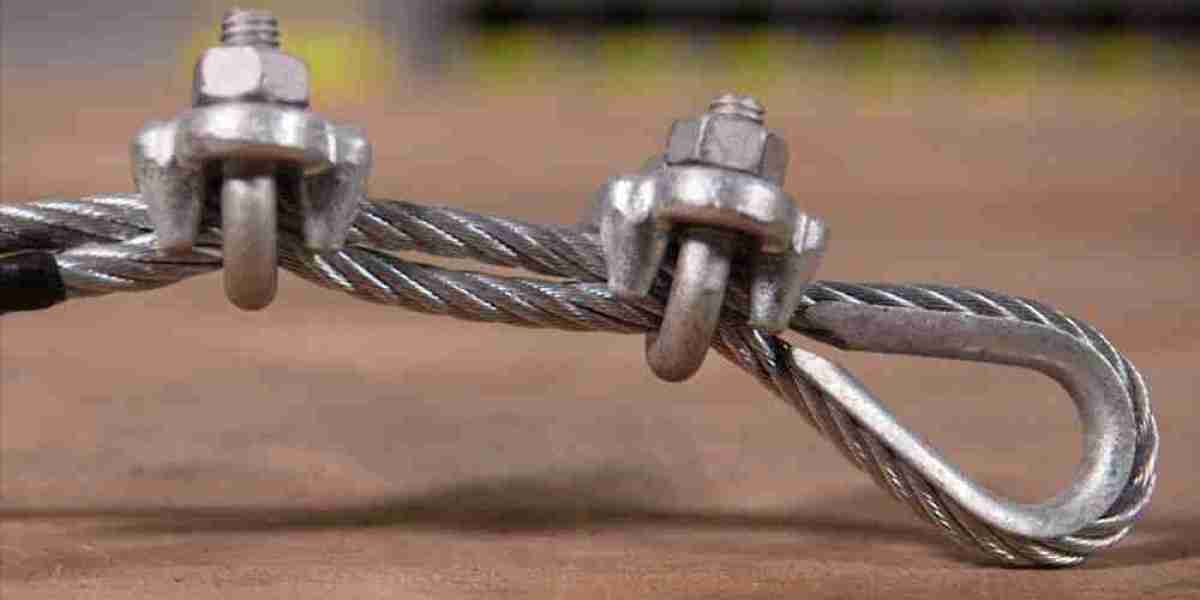
The steel wire rope market plays a critical role in the defense and aerospace sectors, where performance, precision, and safety are non-negotiable. From aircraft flight control systems to naval vessel mooring and military-grade lifting equipment, steel wire ropes are integral to numerous high-stakes applications. With the increasing global defense budget and the growing sophistication of aerospace technology, demand for durable and highly engineered wire ropes is steadily rising.
Key Applications in Defense and Aerospace
Steel wire ropes are used in various military and aerospace systems that require superior strength, fatigue resistance, and operational reliability:
1. Aircraft Control Systems
Steel wire ropes are employed in mechanical flight control systems, especially in older aircraft and backup systems in newer designs.
Ropes connect pilot controls to flight surfaces like rudders and ailerons, making precision and flexibility crucial.
2. Naval and Marine Applications
Used for anchoring, towing, and mooring naval ships and submarines.
Subsea operations and cable-laying also utilize high-strength, corrosion-resistant ropes.
3. Military Vehicles and Ground Equipment
Steel ropes are incorporated into winches, cranes, and recovery vehicles for battlefield logistics.
Deployed in bridge-laying systems, tank recovery, and equipment hoisting.
4. Aerospace Manufacturing and Assembly
Wire ropes help in lifting and maneuvering aircraft components during production.
Used in load testing rigs and maintenance hoists in hangars and ground support systems.
5. Space and Satellite Systems
In ground-based satellite launching systems and payload handling, wire ropes ensure safe and precise operations.
Characteristics Required in Military and Aerospace Ropes
Due to the high-risk nature of these applications, the steel wire ropes used must meet extremely strict criteria:
High tensile strength and low stretch capability
Corrosion resistance, especially for marine and aerospace environments
Lightweight yet durable construction (often stainless steel or special alloys)
Excellent fatigue resistance for repetitive motion applications
Temperature tolerance in extreme environments (both high and low)
Abrasion resistance for extended durability in harsh conditions
Ropes must also comply with stringent military specifications (MIL-SPEC) and aerospace standards, ensuring uniformity and performance consistency.
Regulatory Standards and Certifications
Defense and aerospace sectors are governed by specific certifications and regulatory guidelines. Key standards include:
MIL-DTL-83420: For aircraft control cables and wire ropes
SAE AMS 5687 / AMS 5688: Aerospace material specifications for corrosion-resistant steel wires
NAVAIR and NAVSEA Standards: For U.S. Navy equipment
EN 12385 & ISO 2408: General lifting rope standards adapted for defense contracts
AS 3569: Australian standard for aircraft and aerospace cables
These certifications require precise testing, traceability, and quality control, often through third-party verification and military audits.
Global Market Trends and Demand Drivers
1. Rising Global Defense Budgets
Countries are increasing investment in military modernization, which includes upgrading logistics, equipment, and support systems.
Procurement of aircraft carriers, helicopters, and UAVs boosts the demand for advanced steel wire ropes.
2. Growth in Aerospace Manufacturing
As aircraft production ramps up—especially in emerging economies and private space programs—so does the need for secure hoisting and ground support solutions.
3. Emphasis on Reliability and Safety
Failures in aerospace or defense applications can be catastrophic, pushing demand for certified, tested, and traceable wire ropes.
4. Technological Advancements
Introduction of composite-core wire ropes, smart ropes with sensor integration, and high-performance stainless steel variants enhances operational safety and longevity.
Key Manufacturers and Suppliers
The defense and aerospace sectors often work with a select group of trusted manufacturers with the capability to meet rigorous standards:
Bridon-Bekaert Ropes Group – Known for naval and aerospace-certified wire ropes
TEUFELBERGER – Offers specialized ropes for aviation maintenance and marine use
Kulkoni Inc. – Provides MIL-SPEC wire rope assemblies for military applications
Usha Martin – Supplies ropes for defense vehicles and marine mooring
Loos & Co., Inc. – A major U.S. supplier of aerospace-grade wire ropes
These manufacturers maintain cleanroom production, high-precision testing, and traceability systems to meet defense procurement requirements.
Challenges in the Market
Despite robust demand, the steel wire rope market in defense and aerospace faces certain challenges:
High cost of compliance with military and aerospace specifications
Limited supplier base capable of meeting advanced technical needs
Long qualification timelines due to strict testing and approval protocols
Volatility in raw material prices, especially for stainless steel and special alloys
Supply chain disruptions, which can delay mission-critical projects
To overcome these hurdles, many firms are investing in domestic manufacturing, vertical integration, and inventory management systems for military contracts.
Future Outlook: 2025–2030
The steel wire rope market for defense and aerospace is expected to grow steadily due to:
Ongoing fleet upgrades and aircraft replacement programs
Increasing deployment of naval forces and global defense exercises
Emergence of commercial spaceflight, demanding advanced ground systems
Growing emphasis on domestic production and military self-reliance
This segment will continue to emphasize performance, quality, and certification, positioning it as one of the most technically demanding yet profitable areas of the steel wire rope market.
Conclusion
The steel wire rope market serves as a backbone for critical operations in the defense and aerospace sectors. With the growing emphasis on safety, performance, and innovation, wire rope manufacturers that align with defense standards and invest in precision engineering will be well-positioned to capitalize on future demand. As defense and aerospace continue to evolve, steel wire ropes will remain indispensable components in the machinery and infrastructure that support global security and exploration.